
Summer should be the easiest time of year to keep projects moving.
Longer days, favorable weather, and increased project activity should create opportunities to accelerate schedules and maximize productivity.
Instead, many builders find themselves dealing with the exact opposite.
Schedules tighten.
Coordination becomes more difficult.
Dry-in dates move.
Trade stacking increases.
Projects that seemed to be progressing smoothly begin losing momentum.
Most of the time, there isn’t a single cause.
Summer schedule problems usually develop through a series of small delays that compound over time.
Very few projects fall behind because of one major issue.
More often, schedules slip because of a collection of smaller disruptions:
A weather event delays installation
An inspection gets pushed back
A crew finishes later than expected
Materials arrive a few days behind schedule
Another trade needs access to the same area
Individually, none of these events seem significant.
The challenge is that construction schedules are highly dependent on sequencing.
When one activity slips, every activity behind it becomes harder to coordinate.
A one-day delay can quickly become a week of schedule pressure if multiple trades are forced to adjust around it.
This is especially true during the summer when crews are already stretched across multiple projects.
One of the most important milestones on any project is dry-in.
Once a building is enclosed, teams gain significantly more control over the schedule.
Interior trades can begin work.
Weather exposure decreases.
Material protection improves.
Coordination becomes easier.
The faster a project reaches dry-in, the easier it becomes to maintain schedule stability.
The problem is that many exterior assemblies require extensive coordination between multiple trades, installation steps, inspections, and sequencing requirements.
Every dependency introduces another opportunity for delay.
Summer doesn’t create scheduling problems.
It exposes them.
Processes that work adequately during slower periods often become strained when project volume increases.
Subcontractors become harder to schedule.
Labor availability becomes less predictable.
Weather interruptions become more difficult to recover from.
Inspection departments become busier.
A process that requires perfect coordination can quickly become vulnerable when the construction season reaches full speed.
That’s one reason many builders use the Summer Build Risk Checklist before projects reach critical schedule milestones. Identifying potential schedule bottlenecks early gives teams an opportunity to reduce exposure before delays begin affecting dry-in.
When schedules begin slipping, many teams attempt to recover by compressing activities.
Additional crews are added.
Trades begin working on top of one another.
Work areas become crowded.
Coordination becomes increasingly difficult.
Productivity often declines.
Instead of recovering schedule, the project creates additional friction.
This is one reason trade stacking can become such a costly cycle.
The project falls behind.
More labor is added to recover time.
Additional labor creates congestion.
Congestion slows production.
The schedule slips further.
The focus shifts from execution to coordination.
Builders looking to reduce summer schedule risk often focus on the areas of the project that sit directly on the critical path.
The goal is not simply to work faster.
The goal is to reduce opportunities for disruption.
Processes that require fewer installation steps, fewer trade handoffs, and fewer coordination points generally create more predictable outcomes.
This allows teams to maintain momentum even when weather, labor availability, or inspection schedules create pressure.
For builders evaluating different approaches during preconstruction, the Wall Assembly Selector Checklist provides a practical way to compare wall assembly options based on factors that directly impact sequencing, labor coordination, and dry-in speed.
Schedule slippage affects more than the activity that caused it.
As delays accumulate, projects often experience:
Increased labor costs
Additional supervision requirements
More complicated trade coordination
Inspection bottlenecks
Material exposure risk
Owner turnover pressure
These impacts rarely stay isolated.
They spread throughout the project.
The longer a building remains exposed, the more opportunities there are for additional disruptions to occur.
The most successful summer projects are not necessarily the ones with the largest crews or the biggest budgets.
They are often the ones that identify schedule risk early and remove unnecessary complexity before construction begins.
Builders experience these challenges differently depending on how they approach planning, sequencing, and project execution. Our Builder Types guide explores several common builder profiles and the operational challenges that tend to impact each one.
Summer schedule pressure is unavoidable.
How much that pressure affects your project is not.
The sooner schedule risks are identified, the easier it becomes to maintain momentum, protect dry-in dates, and keep the entire project moving forward.
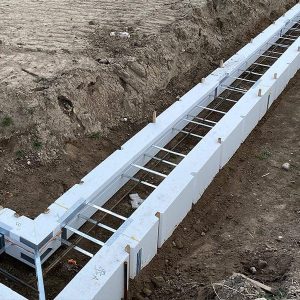
FasTrax footing forms are a game-changer in the construction industry. We’ve developed forms that can…

Our innovative range tackles insulation challenges with reliability, energy efficiency, and cost-effectiveness…
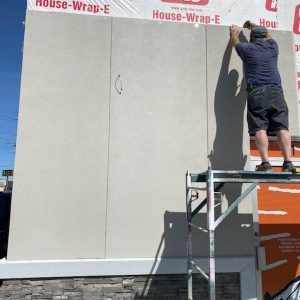
Transform your home with SnapTight Products Insulated Siding Panels, featuring an additional R-value…
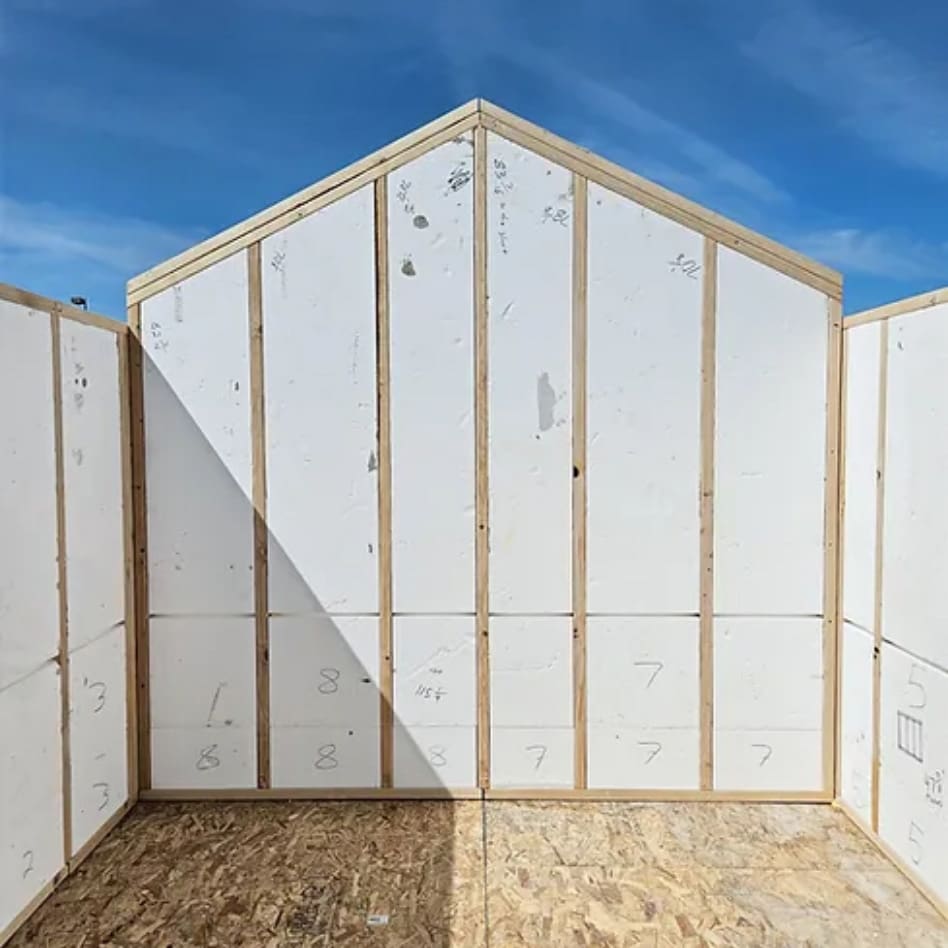
The DONE Wall is a revolutionary new insulated wall system that simplifies the construction process and makes…