As we look ahead into 2026, one thing is clear: the regulatory and market landscape around building energy performance is accelerating. In 2025 the 2025 Building Energy Efficiency Standards in California took effect for permit applications filed from January 1, 2026 onward, requiring builders to meet more stringent insulation, ventilation and electric‑readiness standards. California Energy Commission Simultaneously, states across the U.S. continue to adopt the model International Energy Conservation Code (IECC) updates, raising minimum envelope performance, air‑sealing expectations and documentation burdens. USGlass Magazine & USGNN News+1 For builders and contractors, the implications are significant: non‑compliance, delays, added cost or rework risk. For investors and manufacturers of advanced building systems, these code changes represent powerful growth drivers. Companies offering integrated insulated building systems are positioned not only to help builders comply, but to create a competitive advantage.
For builders in 2026, this means three practical realities:
Builders who treat insulation and air‑sealing as “finishing touches” rather than integral systems may find themselves paying later in three ways:
The combined pressures of labor scarcity (see Part 2) and regulatory tightening create a unique inflection point. Builders who invest in envelope systems that pre‑integrate structure + insulation + finish are better positioned than those relying on conventional methods. From an investment perspective, this inflection marks a shift from niche adoption toward mainstream requirement. That means companies enabling compliance quickly become indispensable.
Integrated insulated building systems (such as combined foundation forms with insulation, structural wall panels with continuous foam, factory‑applied finishes) address key elements of code compliance by design. They:
When a builder uses a system that comes engineered with insulation, structural interface and finish integrated, the number of trade‑hand‑offs, site adjustments and field modifications declines. Less re‑work means fewer inspection failures or jobsite delays. Inspectors often see failures at interfaces—foundation to wall, wall to roof, insulation to finish. Integrated systems minimise those “weak link” transitions.
In markets where energy-conscious buyers or institutional owners are predominant (commercial, multi‑unit residential), being able to market “high‑performance envelope, verified insulation, reduced energy cost” is a differentiator. Builders using integrated systems can credibly claim:
From a compliance standpoint: integrated systems help meet not just today’s code but anticipate tomorrow’s. That gives risk‑averse builders a strategic advantage.
The global building thermal insulation market was estimated at US $29.9 billion in 2024 and is projected to grow at a CAGR of 5.9% through 2034, reaching about US $52.5 billion. Global Market Insights Inc. Regionally, stricter building codes (particularly in North America and Europe) drive above‑average adoption of high‐performance envelope systems. For example, one study projects the global insulation market will grow at ~7.0% CAGR from 2025 to 2033. Grand View Research These numbers show a large and expanding addressable market—not just for raw insulation, but for systems that integrate insulation with structure and finish (i.e., the category SnapTight plays in).
When codes tighten, builders need compliant products; the demand becomes less optional, and more mandatory. That creates a predictable demand stream for integrated envelope systems. For investors, that means reduced cyclicality and greater growth visibility.
Companies that specialise in integrated systems (foundation + wall + insulation) are in a strong position:
From an investor lens, that translates to: higher lifetime value of customers, recurring revenue potential, and defensible market position.
Adoption of integrated building envelope systems is still accelerating, not mature. The convergence of labor constraints, rising materials cost, and regulatory tightening mean that 2026 is a milestone year. Investors who back manufacturers, distributors or tech providers in this space now may capture share ahead of slower‑moving competitors.
Builders adopting integrated systems can approach code compliance proactively rather than reactively. For example: when permitting in a jurisdiction that adopts the 2025 IECC or similar next‑generation code, having a pre‑engineered envelope system reduces the “permit risk” — fewer surprises at inspection, fewer blow‑door fails, fewer unplanned returns.
By reducing trade‑hand‐offs and field modifications (common sources of inspection failures), builders can accelerate schedules. Shorter schedules reduce financing costs, overhead, and time‑to‑occupancy. In 2026, when schedules are tight, this advantage translates into measurable margin improvement.
Better envelope performance (insulation, air‑seal, finish) results in fewer occupant complaints, fewer retrofit jobs, and lower lifecycle cost. Builders who consistently deliver “tight, finished, insulated” structures build stronger brand reputation and incur fewer hidden costs.
As more jurisdictions move toward high‑performance or all‑electric building mandates (for example, some states will be requiring all‑electric or climate‑ready builds by 2029) builders who can offer envelope systems designed around insulated, integrated structures are better positioned for future bidding, particularly in multi‑unit and institutional segments. Times Union
Energy‑code changes are not just a checkbox—they’re a transformation in how buildings will be designed, built and certified in 2026 and beyond. For builders, adopting integrated insulated building systems offers a way to reduce risk, accelerate schedules, improve quality and gain competitive advantage. For investors, the regulatory tailwinds, growing market size, and structural builder pressures point to a high‑leverage growth opportunity.
The question isn’t whether energy codes will matter in 2026—they already do. The question is whether you will be ahead of them.
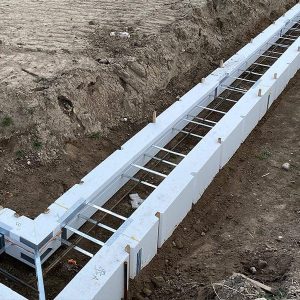
FasTrax footing forms are a game-changer in the construction industry. We’ve developed forms that can…

Our innovative range tackles insulation challenges with reliability, energy efficiency, and cost-effectiveness…
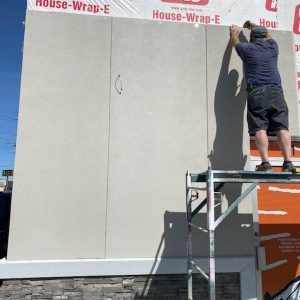
Transform your home with SnapTight Products Insulated Siding Panels, featuring an additional R-value…
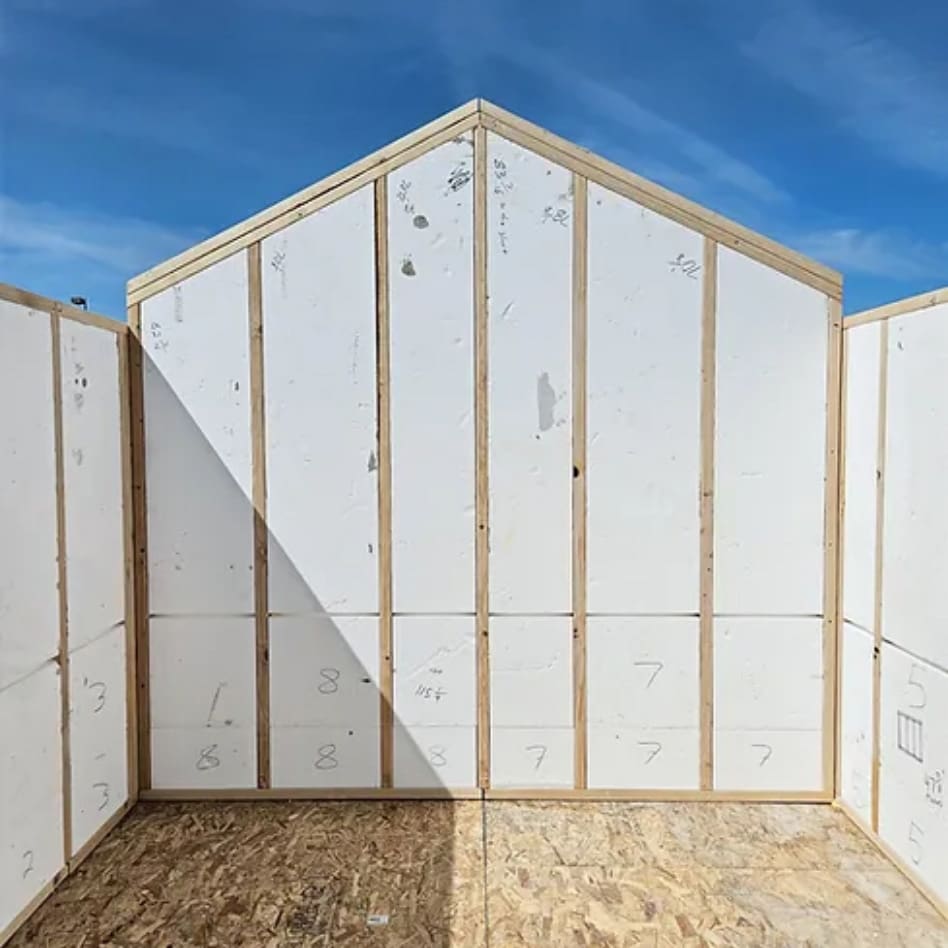
The DONE Wall is a revolutionary new insulated wall system that simplifies the construction process and makes…