
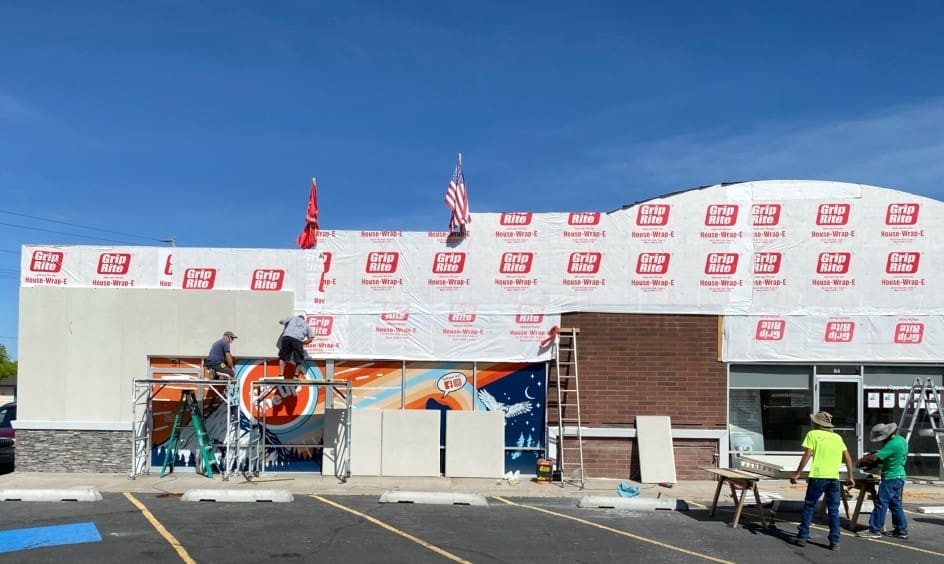
As we approach 2026, construction labor challenges are poised to intensify. In 2025, 92% of construction firms reported difficulty hiring qualified workers, and 45% said labor shortages caused project delays. (agc.org)
Meanwhile, wages climbed steadily: residential building workers earned $39.40/hour in June 2025, up 3.5% year-over-year. (hbi.org)
Looking ahead to 2026, builders will face higher costs, tighter labor availability, and increased scheduling pressure. With nearly 500,000 new workers projected as needed in 2026 just to maintain current construction volumes, labor scarcity will continue to shape strategic decisions. (abc.org)
Integrated insulated building systems, which combine foundation, structural, and insulation components into a single streamlined assembly, offer a compelling solution. They reduce labor dependency, accelerate timelines, improve quality, and position builders and investors to succeed in a tightening market.
By 2025, labor shortages were already significant. ABC projects nearly 500,000 new construction workers will be needed in 2026 to keep pace with demand. (abc.org)
Hourly wages for residential building workers have climbed steadily, creating upward pressure on project costs. Builders must now balance labor scarcity with rising wage expenses and project deadlines.
Construction productivity in the U.S. has lagged for decades. Federal Reserve research shows that despite increased employment, output per worker has remained nearly flat since the 1970s. (richmondfed.org)
For 2026, this means simply hiring more workers won’t resolve schedule bottlenecks or cost pressures. Builders need smarter, more integrated systems to increase efficiency.
Labor constraints and low productivity translate into real financial risk:
Integrated insulated systems reduce reliance on multiple trades by combining foundation, framing, and insulation into cohesive modules. This reduces coordination risk, scheduling complexity, and dependency on specialized labor.
Fewer trades and simplified installation sequences allow builders to reduce onsite labor requirements and shorten project timelines. Early adoption in 2026 can increase project throughput by 15–30% compared to traditional methods, maximizing revenue and optimizing overhead costs.
Fewer interfaces and pre-engineered components minimize installation errors, reduce defects, and lower warranty calls. High-quality, consistent builds strengthen builder reputation and reduce non-productive costs, particularly important in 2026’s tight labor market.
Labor scarcity, wage growth, and tightening project schedules create a compelling addressable market for integrated insulated systems. The global building thermal insulation market is projected to grow from $26.9 B in 2024 to $37.8 B by 2030 at ~5.9% CAGR, while structural insulated panels are projected to reach $726.8 M by 2034. (grandviewresearch.com) (precedenceresearch.com)
Integrated systems create repeatable processes for builders, enabling predictable, scalable adoption. Early 2026 adoption can catalyze volume growth while maintaining manageable operational overhead.
Once integrated systems are adopted, builders invest in training, procurement, and workflows that reinforce stickiness. Switching to another product becomes costly and disruptive, offering a durable competitive advantage.
With labor shortages predicted to worsen, integrated systems are a timely solution. Companies delivering reliable, scalable systems in 2026 can capture early market share, generating long-term growth and investor returns.
Builders using integrated systems can deliver more projects per year using the same crews, improving revenue without proportionate increases in overhead. Example: a builder completing 100 homes in 2025 may reach 120 homes in 2026 using integrated systems.
By reducing labor hours per project, builders mitigate exposure to rising wages. Less reliance on high-cost labor directly improves margin stability in 2026.
Integrated systems reduce hand-off complexity, shortening project timelines and reducing financial risks associated with delays.
Improved thermal performance, air-sealing, and structural consistency strengthen builder reputation and reduce post-delivery issues.
As 2026 begins, labor scarcity, rising wages, and schedule pressures will continue to challenge builders. Integrated insulated building systems offer a strategic, labor-saving, quality-enhancing solution.
For builders, adoption can lead to higher throughput, lower labor dependency, better schedule reliability, and stronger reputation.
For investors, the growth opportunity is clear: companies delivering scalable, integrated systems are positioned to capture share and deliver meaningful returns as the construction market navigates the labor crunch and rising demand in 2026.
The question isn’t whether integrated systems make sense in 2026—it’s how quickly builders and investors act to capitalize on this trend.
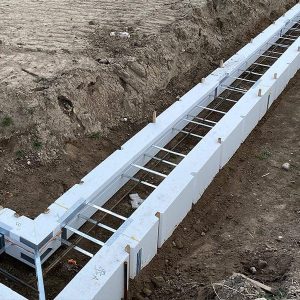
FasTrax footing forms are a game-changer in the construction industry. We’ve developed forms that can…
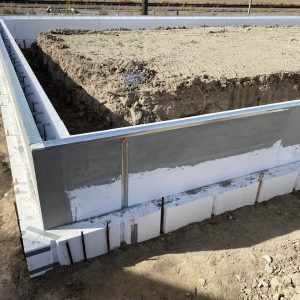
Our innovative range tackles insulation challenges with reliability, energy efficiency, and cost-effectiveness…
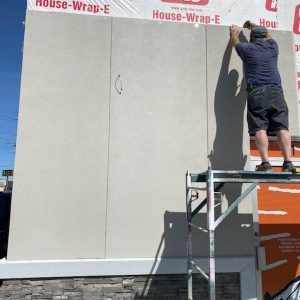
Transform your home with SnapTight Products Insulated Siding Panels, featuring an additional R-value…
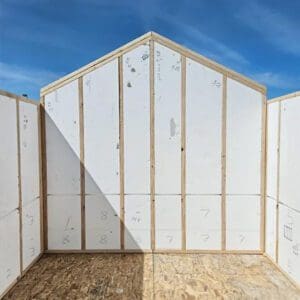
The DONE Wall is a revolutionary new insulated wall system that simplifies the construction process and makes…